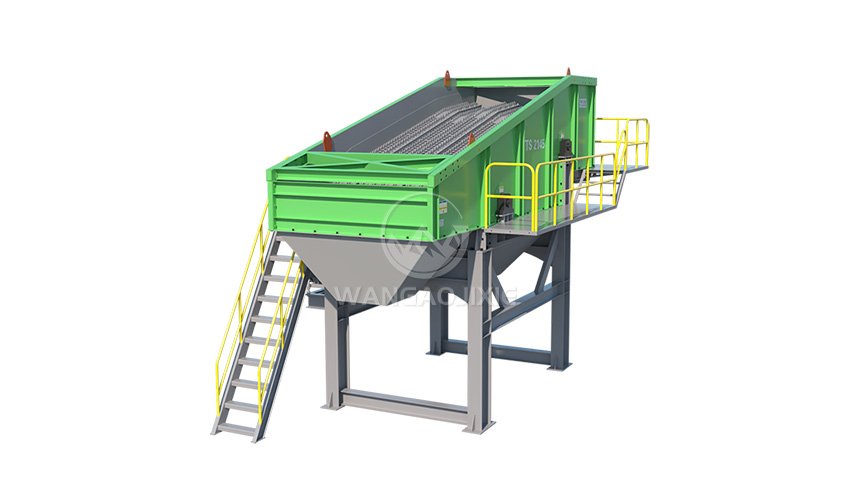
TTS Series Heavy-Duty Ballistic Separator
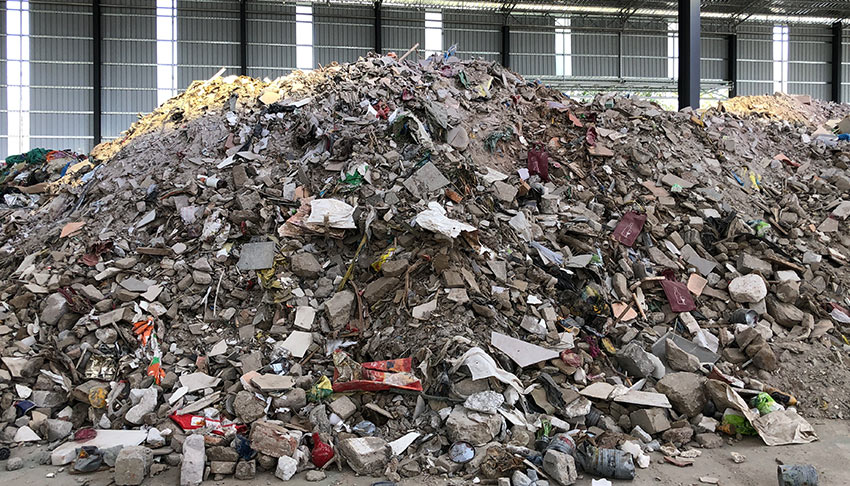
Mainly separated: 3D materials (bricks/wooden blocks/bottles, etc.), lightweight materials (flat/light/large area m a t e ri a l s ), undersized materials(30mm/50mm), customizable bounce screen plates, commonly used for processing and sorting decoration waste, stale waste, household waste, construction waste, etc.
3D Equipment Model
Interactive preview (same experience style as the solution 3D module).
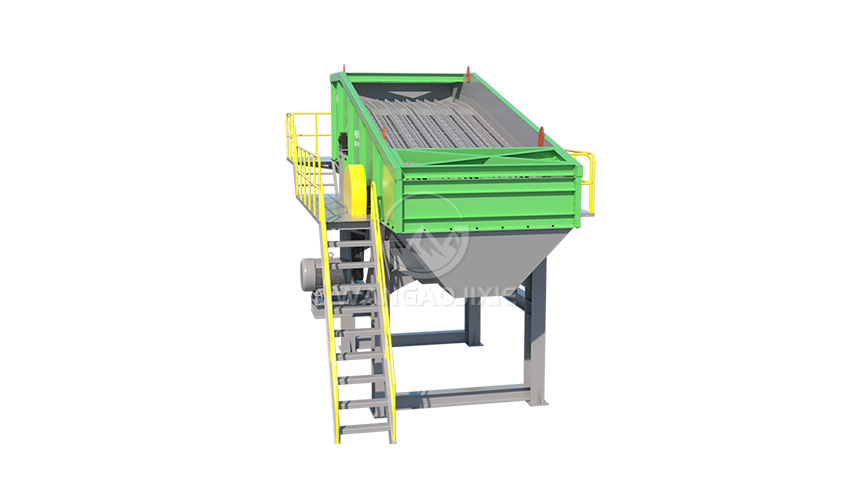
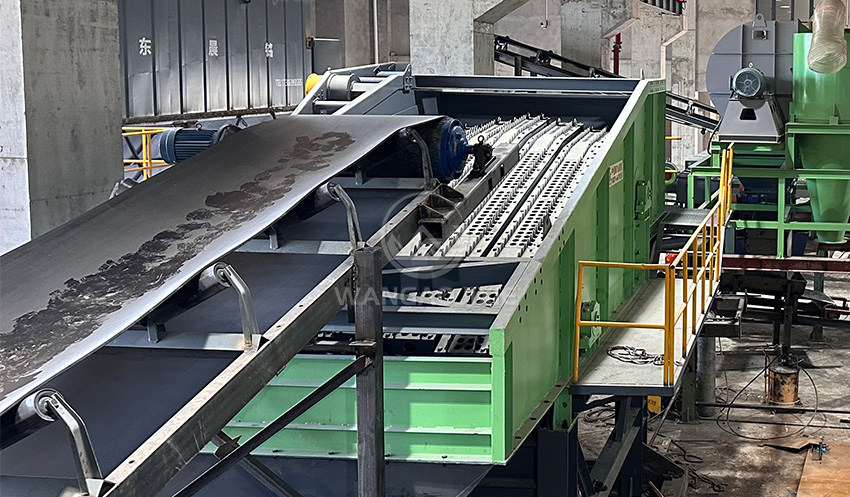
TTS Series Heavy-Duty Ballistic Separator
Product Overview: Th […]
| lab | val |
|---|
On-site Case Photos
View All Cases >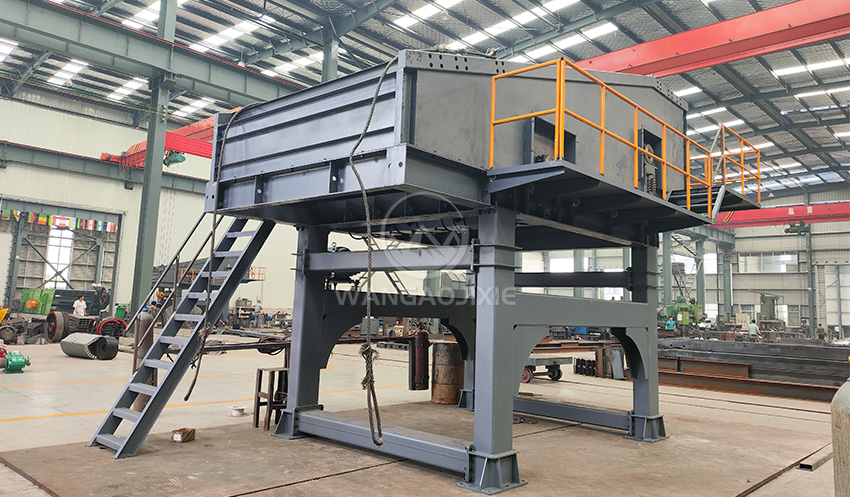
Product Details
Product Overview:
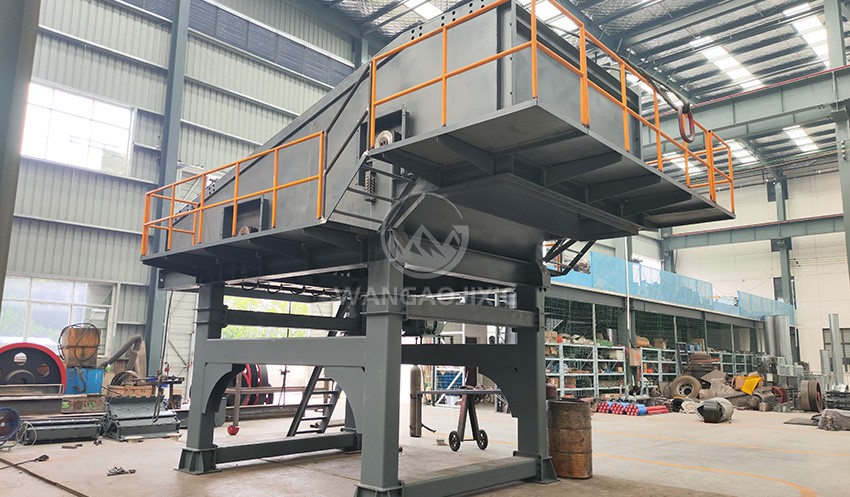
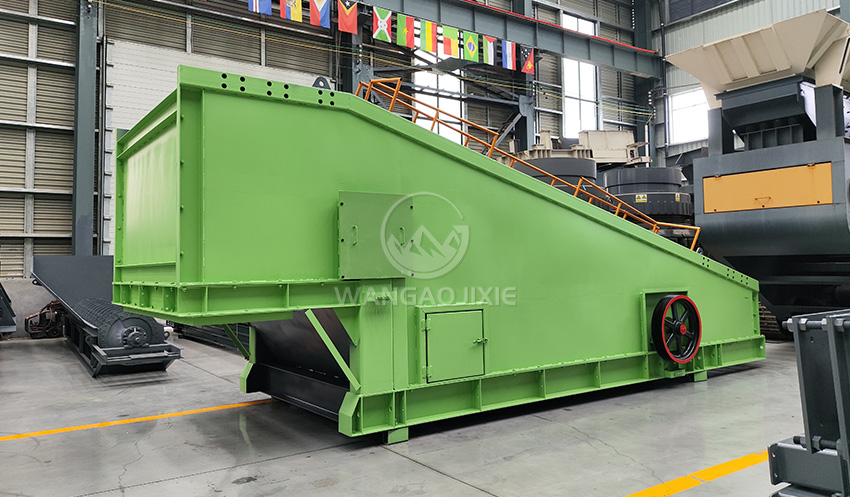
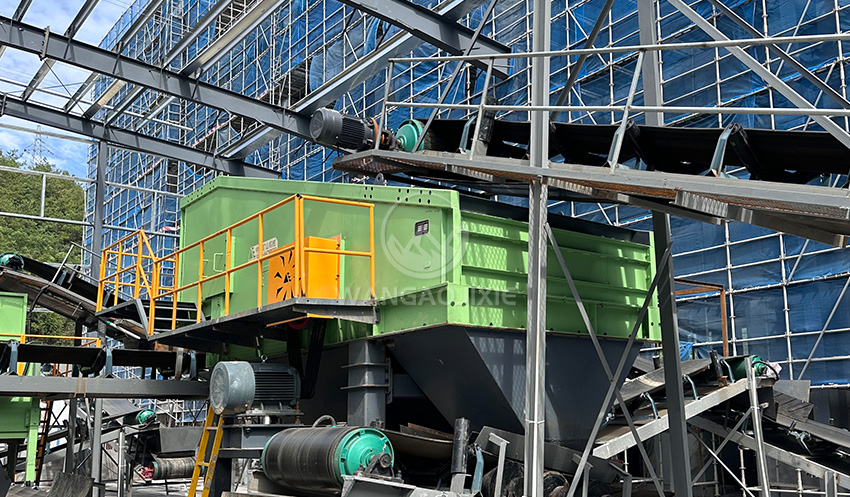
The Ballistic Separator is a high-performance sorting solution essential for Municipal Solid Waste (MSW) and recycling facilities. Driven by eccentric shafts, the paddles create a unique 3D motion that categorizes mixed waste streams into three distinct fractions in a single process, based on their shape, density, and physical behavior.
Key Sorting Fractions:
- 3D/Heavy Fraction (Rolling Items): Objects such as plastic bottles, stones, cans, and wood bounce and roll downwards to the bottom discharge.
- 2D/Light Fraction (Flat Items): Flexible materials like paper, plastic films, and textiles climb upwards to the top discharge due to the ballistic movement.
- Fines/Undersized Fraction (Organic Matter): Smaller particles (e.g., organic waste, grit, sand) fall through the customizable perforations in the paddles.
Technical Advantages:
Low Maintenance: Features a heavy-duty chassis and wear-resistant paddles, ensuring long-term reliability and easy component replacement.
Superior Separation Purity: Significantly enhances the efficiency of downstream equipment like Optical Sorters or manual picking lines.
Anti-Clogging Design: Unlike trommel screens, the ballistic motion prevents long, flexible materials from wrapping around the shafts.
Adjustable Flexibility: The screening angle (typically $10^\circ \sim 25^\circ$) and agitation speed can be fine-tuned to handle varying material compositions.